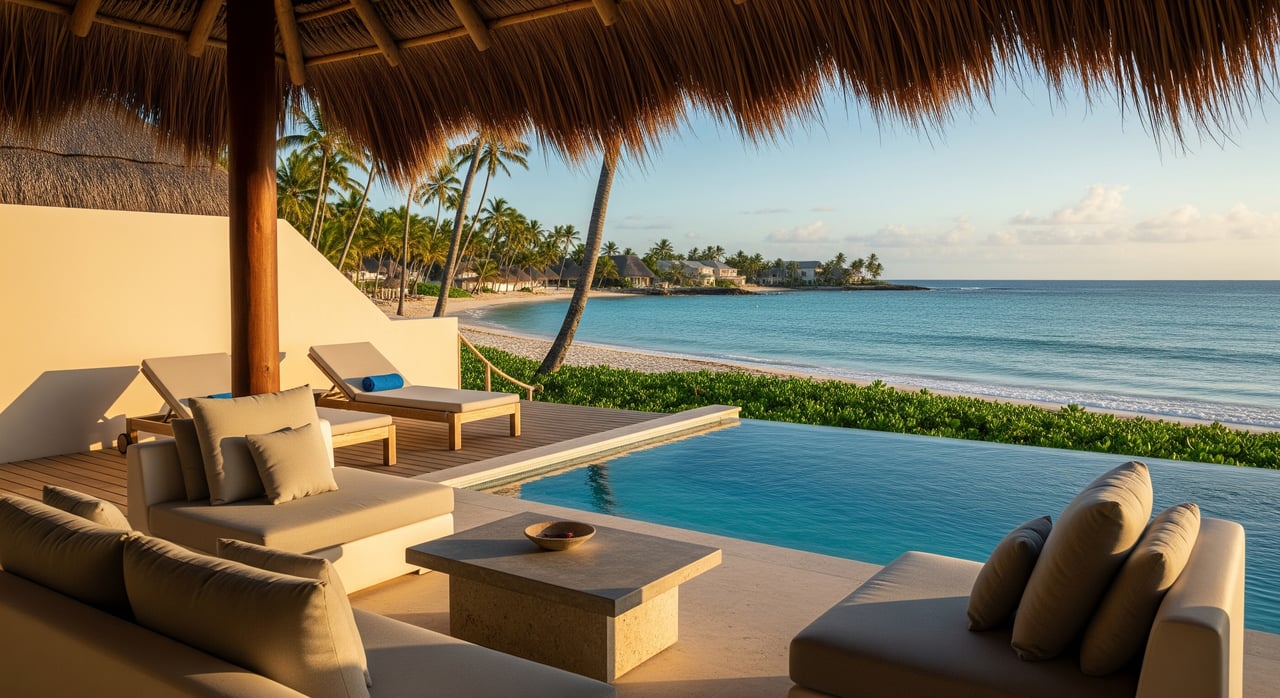
Punta Cana Resort vs Village: Find Your Best Fit
Real Estate Investment Christie's International Real Estate Dominican Republic December 18, 2025
Real Estate Investment Christie's International Real Estate Dominican Republic December 18, 2025
Torn between a resort address on the sand and a walkable neighborhood with shops and schools? If you are exploring Punta Cana, two names come up again and again: Puntacana Resort & Club and Puntacana Village. Both sit within the same master plan, yet they offer very different rhythms of life and investment profiles. In this guide, you will learn how each area works, what to expect for amenities and rules, and how to match the right option to your goals. Let’s dive in.
Puntacana Resort & Club and Puntacana Village are both part of the Puntacana Group’s holdings in eastern La Altagracia. The Resort & Club is the gated resort and residential zone with beachfront hotels, golf communities, and private estates. Puntacana Village is the mixed-use hub with retail, services, offices, and residential neighborhoods designed for daily life.
Both areas are adjacent to Punta Cana International Airport, which is a major advantage for international owners and guests. Internal roads connect the Resort, Village, golf areas, and the marina zones within the broader master plan. You will also see hotel shuttles, taxis, private vehicles, and in select pockets, golf carts.
Walkability varies by neighborhood. The Village core is more walkable, with many daily services within a short stroll. The Resort spreads across larger estates and hotel areas, so you will rely more on vehicles or internal transport to reach beaches, clubs, and recreation.
Both areas use a formal governance model with a master association and sub-associations for neighborhoods or buildings. Covenants and bylaws guide building standards, landscaping, rentals, and use of common areas. You should review the exact rules for any property you consider.
HOA or maintenance fees typically cover security, road and grounds upkeep, lighting, landscaping, beach or pool maintenance where applicable, and administrative costs. Fees vary by product type and proximity to premium amenities. Beachfront and hotel-affiliated properties often carry higher dues.
Rental permissions depend on each association and any hotel or rental program contracts. Resort properties may tie into branded rental programs with defined commissions and standards. Village properties often permit longer leases more easily. Always request written rules on leasing, any minimum stays, and registration or tax obligations for short-term rentals.
The Dominican Republic applies property and transaction taxes. Confirm current rates, exemptions, closing costs, and procedures with a local attorney or the tax authority. A detailed cost breakdown is essential to accurate underwriting.
In the Resort & Club, you can expect private beach clubs, hotel dining, golf, racket sports, spa services, and marina access within the broader master plan. Service and recreation define the experience. Access policies for certain venues can vary by membership type, residence status, or day-pass rules, so confirm what applies to your specific home.
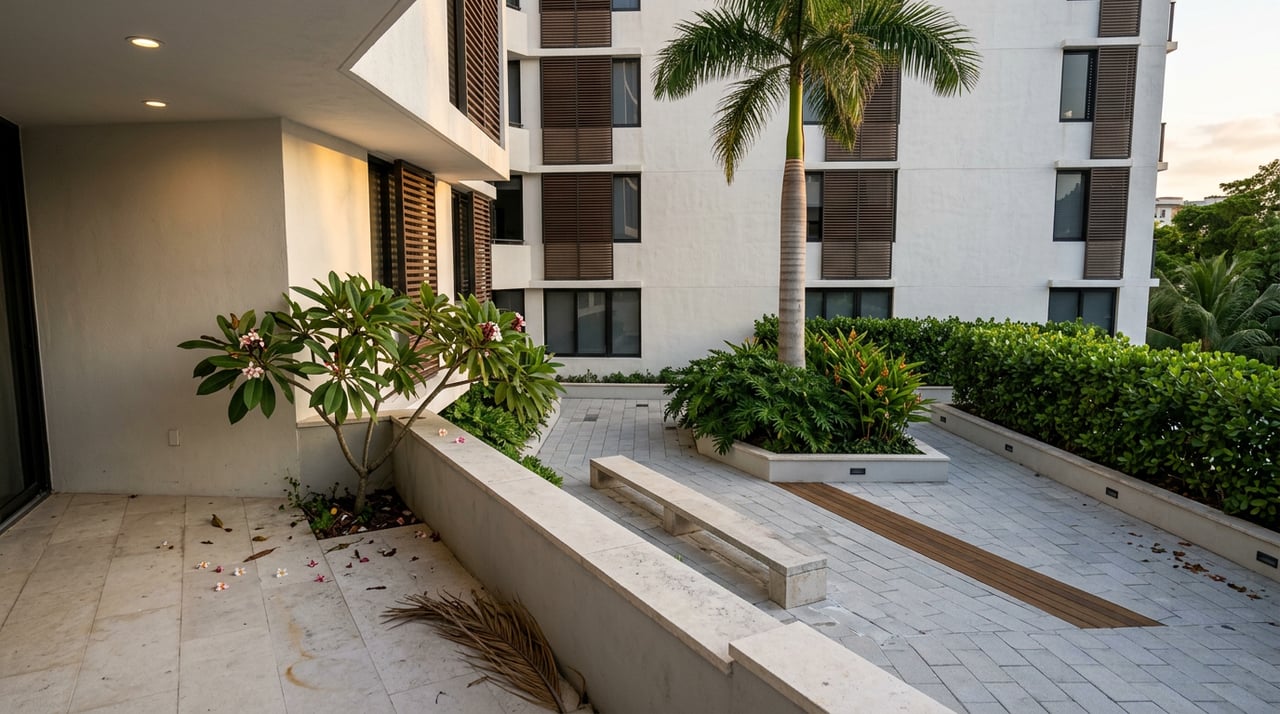
In the Village, your day-to-day rhythm is simplified. Supermarkets, cafés, clinics, offices, and parks sit within a compact footprint. Many owners find the Village useful even if they live inside the Resort, since it hosts practical services that reduce time on the road.
Beach access matters for both lifestyle and rental marketing. Some beaches are private or managed by resort operators, while others are public. Before you buy, verify club membership options, guest rules, and any extra user fees that affect your family or tenants.
Environmental stewardship is part of the area’s identity. The Puntacana Foundation has led conservation and community programs for years. If sustainability is a priority for you, ask about any conservation initiatives or guidelines that apply to your chosen neighborhood.
Families can find bilingual and international schools serving Punta Cana and the eastern region. These are usually private and charge tuition. Confirm each school’s curriculum, language of instruction, extracurriculars, available seats, and commute time from your prospective address.
Healthcare access includes private clinics and medical centers in the area. For specialized care, some residents travel to larger cities. If health services are a priority, list the nearest providers, check hours and emergency capabilities, and confirm ambulance coverage and response times.
Both the Resort and Village typically feature gated entrances, staffed access control, and private security patrols in higher-end sectors. Ask for the security plan, CCTV coverage, and visitor protocols for the specific community you are evaluating. Private security plays an important role in resident experience and rental oversight.
Coastal homes require careful insurance planning. Review hurricane and storm risk, construction standards, and the availability and cost of property, contents, and liability coverage. Engineered construction and adherence to codes can affect premiums and policy terms, so bring these topics into your due diligence early.
Product tiers in the area follow a clear pattern. Entry-level options are often smaller condos or townhouses in the Village or peripheral neighborhoods. Mid-range product includes larger condos, golf-view villas, or infill homes that serve families and consistent tenant demand. Premium and luxury assets inside the Resort & Club include beachfront estates, branded villas, and marina-front properties with prestige and scarcity.
Key price drivers include proximity to the beach or golf, views, lot size, finish quality, and brand reputation. Access to services like schools, grocery, and the Village core influences owner convenience and tenant appeal. Participation in hotel or rental programs can lift gross income, though it may come with management rules and commissions.
Short-term rental demand benefits from Punta Cana’s strong tourism base, but occupancy and rates vary by season and competition from hotels. Longer-term rentals in the Village can offer steadier income with simpler operations. Balance higher gross potential in the Resort against higher acquisition and operating costs, and model your net operating income with conservative assumptions.
Holding costs to include in your pro forma are HOA fees, property and transaction taxes, insurance, utilities, repair reserves, and any professional management fees. Exit liquidity differs by segment. Ultra-luxury beachfront properties are unique and can take longer to trade, while Village condos may appeal to a broader buyer pool.
Financing is available from local banks and some international lenders for non-residents, but terms, documentation, and loan-to-value vary. Many foreign buyers purchase in cash for speed and simplicity. If you plan to finance, start lender conversations early.
Some owners live or keep a home in the Village for everyday convenience and purchase a resort residence for beach and recreation. Others hold a Village condo for steady income and invest in a resort villa for lifestyle and seasonal rental upside. If your budget allows, using both areas together can balance lifestyle and returns.
Use this checklist to protect your decision and sharpen your underwriting:
These two communities serve different needs inside one well-planned destination. If your priority is beachfront living with resort privileges, focus on Puntacana Resort & Club. If you want daily convenience, schools, and straightforward logistics, consider Puntacana Village. The best fit is the one that aligns with how you plan to live, host guests, and manage your investment.
If you would like curated options, confidential guidance, and access to premium and off-market inventory across Punta Cana and beyond, connect with Christie’s International Real Estate Dominican Republic. Our senior brokers can tailor a strategy to your goals, timeline, and risk profile.
Christie’s International Real Estate Dominican Republic
Stay up to date on the latest real estate trends.
We pride ourselves in providing personalized solutions that bring our clients closer to their dream properties and enhance their long-term wealth.
Your Dominican Republic Connection
Contact Us
Centro Corporativo Capital Segundo Piso
Calle Altagracia La Romana Dominican Republic 22000