You want the Punta Cana lifestyle without the guesswork. Buying in Puntacana Village can be a smart move if you verify the right documents, understand the Dominican title system, and budget for taxes and fees before you sign. In this guide, you’ll learn the exact checks that protect you — from registry certifications and surveys to HOA rules, costs, and a clear step‑by‑step timeline. Let’s dive in.
Why Puntacana Village appeals
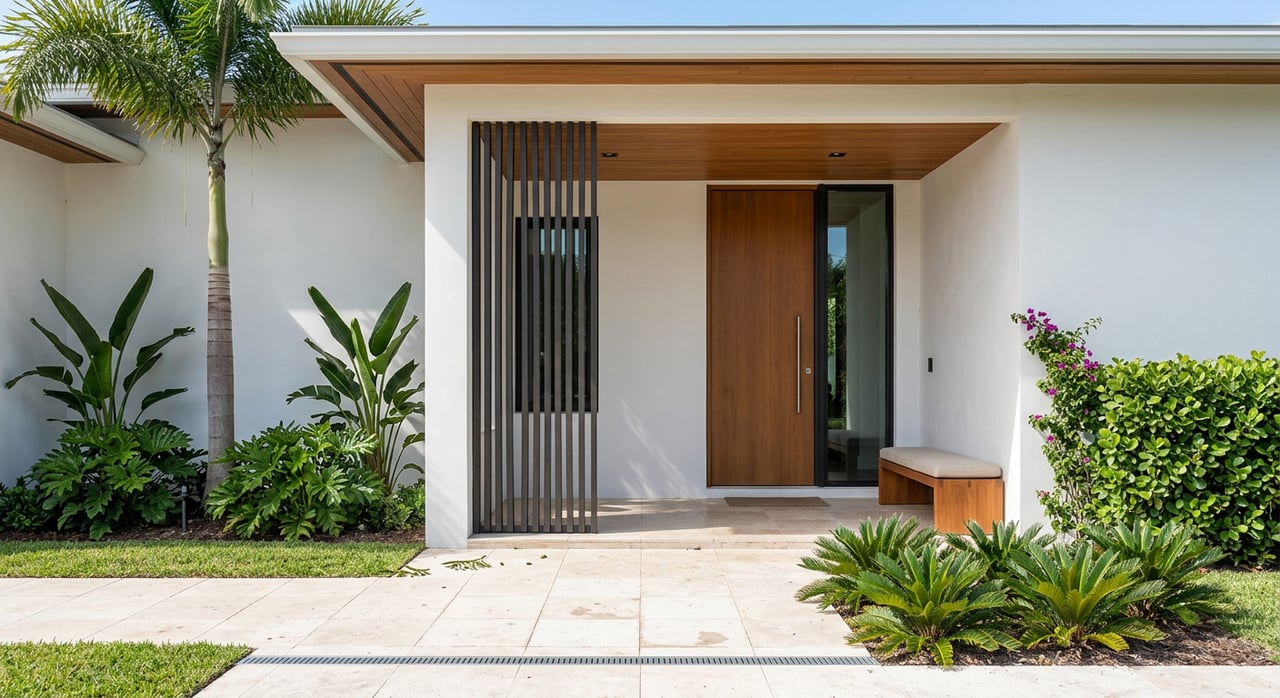
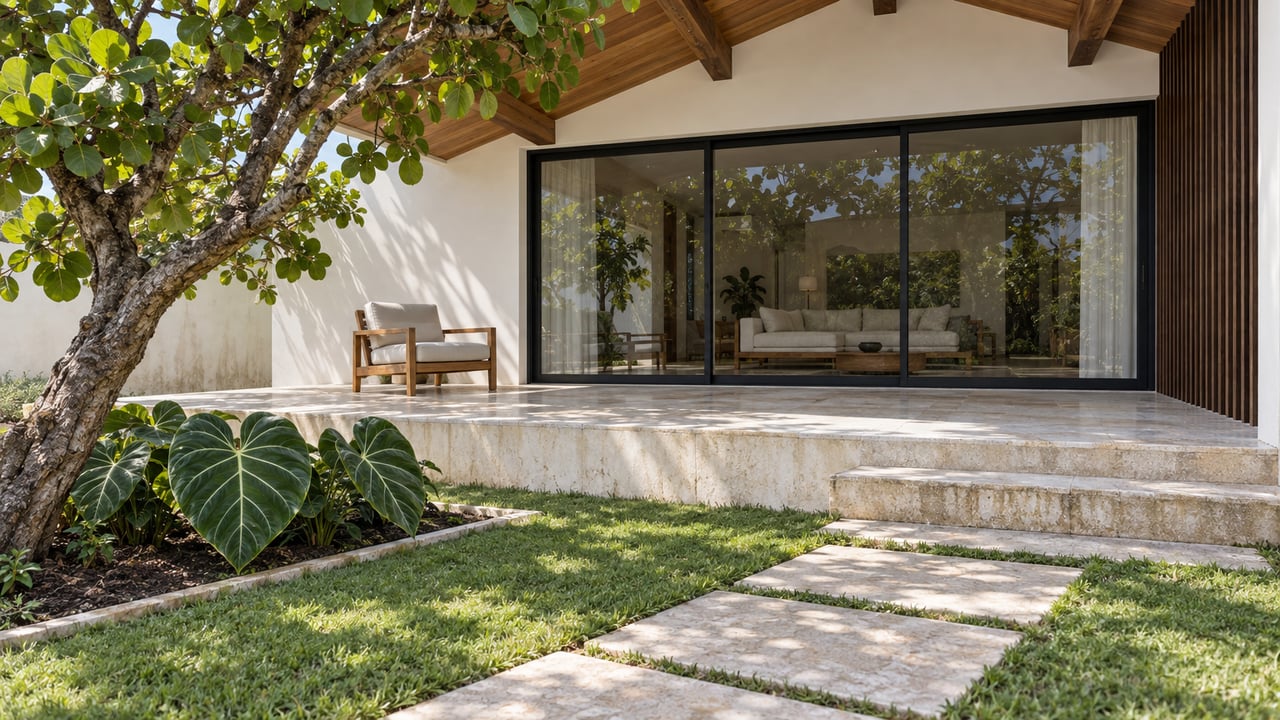
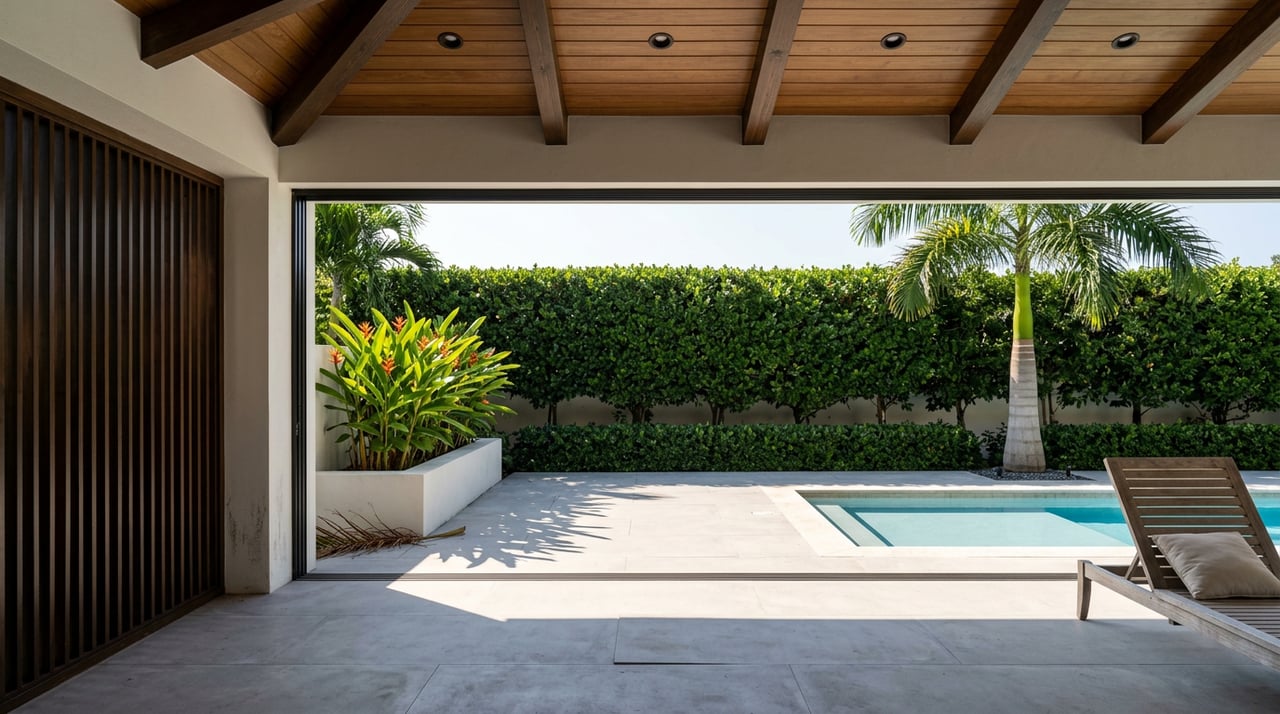
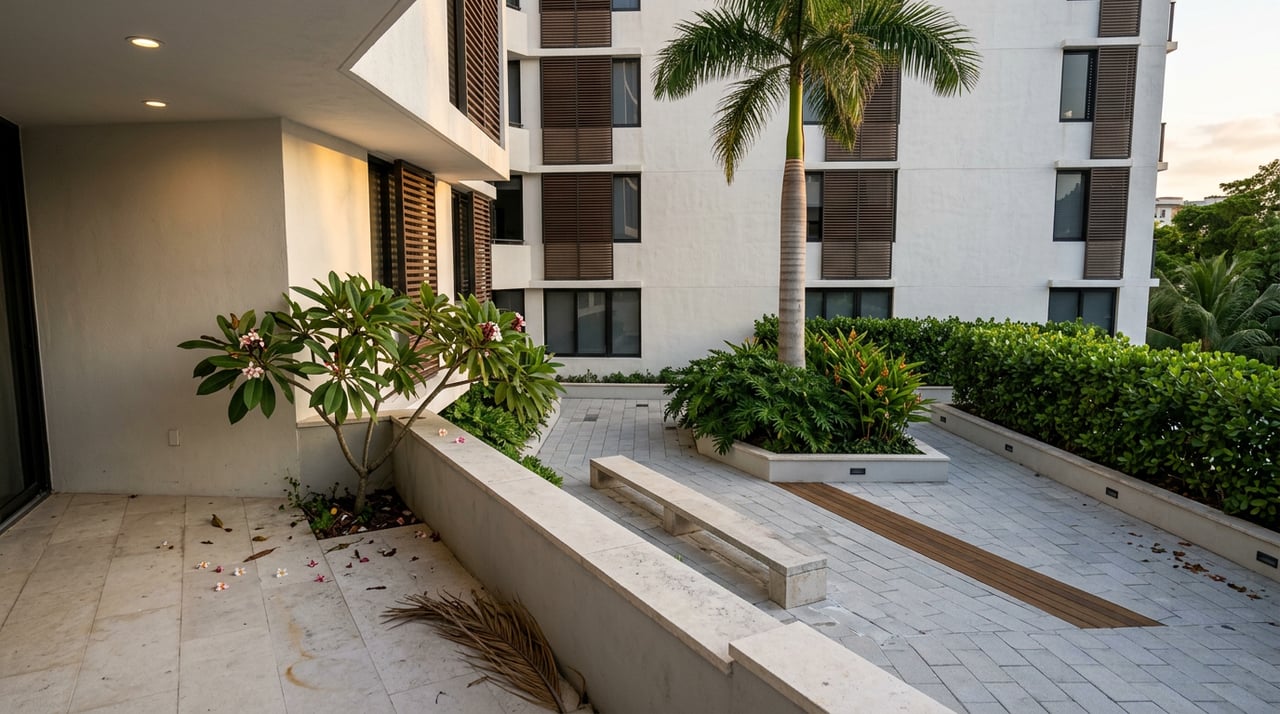
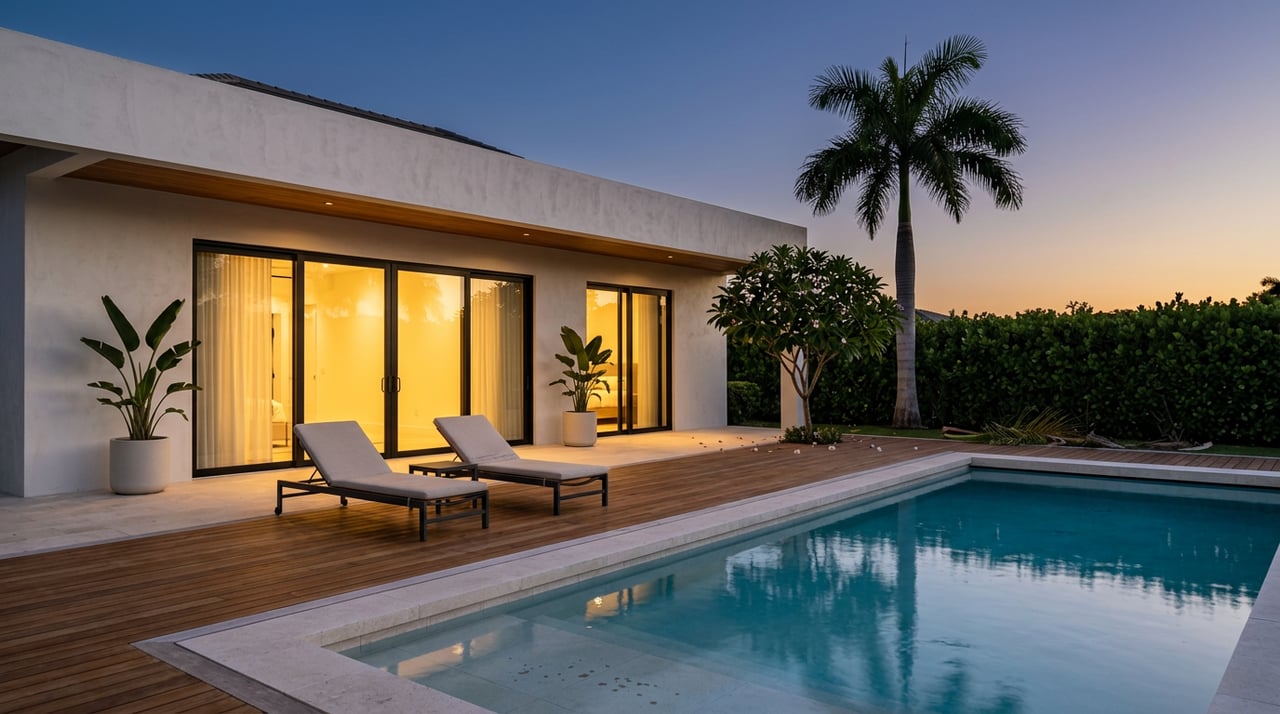
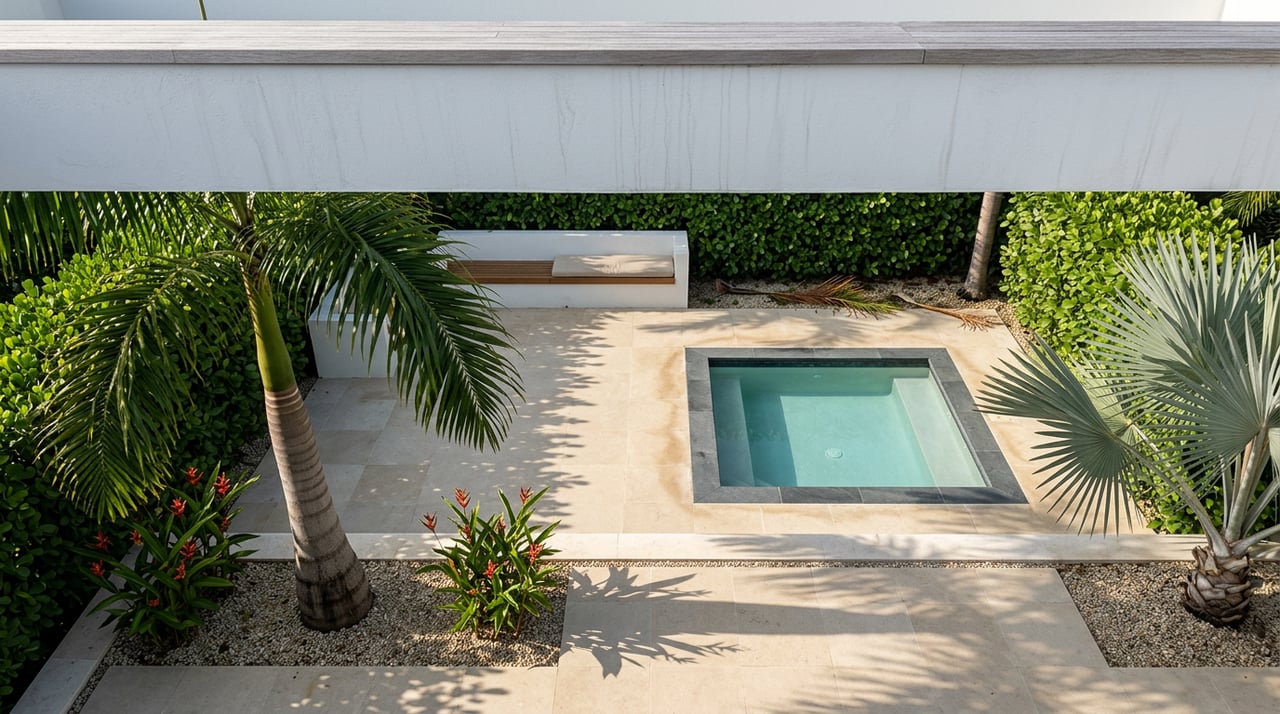
Puntacana Village sits beside Punta Cana International Airport with neighborhood shopping, dining, hotel, and everyday services close by. The community markets a convenient, upscale lifestyle with easy access to resort life and the wider area. Review the developer’s materials to confirm which amenities are included with your property and which are separate or fee-based, since these can vary by contract and building rules. You can start with the community’s official overview to align expectations and value drivers you care about. Learn more on the official Puntacana Village site.
What due diligence means in the DR
The Dominican Republic uses a Torrens-style land registry under Law 108-05. In this system, registration is the act that creates defensible ownership. That makes registry documents the foundation of your due diligence. Always obtain an up-to-date title certificate and registry certifications before you commit. You can read the legal framework for the Registro Inmobiliario under Law 108-05.
Key takeaway: your purchase is only as safe as the documents the registry accepts and records. Everything you check flows from that.
Essential documents to request
Title and encumbrances
- Current Certificado de Título showing the registered owner and folio.
- A fresh Certificación de Gravámenes or Certificación de Acreedores listing any mortgages, liens, or embargoes.
- Certified copies are best, and they should be recent. Both items come from the Registro de Títulos under Law 108-05.
Survey and boundaries (mensura)
- Approved plano de mensura and the surveyor’s report. If the lot was recently subdivided, confirm the mensura was approved and recorded by the cadastral authority. Mensuras are a legal requirement tied to registration under Law 108-05.
Prior deeds and seller authority
- Copies of prior escrituras that created the current title, plus notarized translations if needed.
- Your attorney should confirm the seller’s identity and right to sell.
Taxes and fiscal status
- Proof of payment of annual property tax (IPI) and any municipal taxes. Individuals pay IPI based on a threshold and rate set by the tax authority, so confirm the current pesos thresholds and your obligations on the DGII IPI page.
Condo and HOA governance
- For condominiums or shared-amenity buildings, request the condominium deed and registration (Matrícula), Reglamento de Condominio, minutes of the last assembly, a statement of current dues, reserve-fund balance, and any planned special assessments. Dominican condo law and governance are outlined under the country’s condominium framework; a practitioner summary is available here.
Verify use, rentals, and amenity access
In master-planned communities, access to resort or club amenities is often contract-specific. Do not assume access based on marketing materials. Ask the seller or manager for written operating agreements that define what you can use, what it costs, and any membership rules. For rentals, confirm whether short-term rentals are allowed under the Reglamento de Condominio or community rules. Start your lifestyle assumptions with the community overview and then verify the fine print in the building’s documents.
Taxes and typical costs to budget
- Transfer tax. The DR levies a 3% real estate transfer tax calculated per DGII’s rules. Confirm the exact base and exemptions (where applicable) with your attorney and DGII.
- Annual property tax (IPI). Individuals pay 1% on the taxable value above the statutory exemption threshold. Thresholds and due dates are updated by DGII, so check current details on the DGII IPI page.
- Legal and notary fees. Buyers commonly budget around 1–1.5% for legal fees, plus notary and registry charges. Fees vary by scope and property type, so request written quotes.
- Other costs. Plan for certification fees from the registry, translations and apostilles for foreign documents, survey costs, inspections, and any condo transfer fees. Clarify who pays agency commissions in your negotiation.
Build these items into your early budget so your net acquisition cost is clear before you sign a reservation or promissory contract.
Environmental permits and new builds
For new construction, changes to land use, or properties near protected areas, confirm that environmental permits are in place or that a certificate of non-requirement exists. These obligations arise under the DR’s General Law on Environment and Natural Resources. You can review the framework in Law 64-00.
If you are buying off-plan, also verify that the developer holds title to the land, has approved building permits, and uses an escrow or trust arrangement for buyer funds. If the project claims tourism incentives, request the official CONFOTUR resolution or proof of coverage.
Timeline you can expect
Every transaction is unique, but most follow a familiar cadence:
-
Reservation or offer. You agree on price and timing, often with a small reservation deposit to take the property off market.
-
Promissory contract. Within about 7–30 days, parties sign a Promesa or preliminary sale contract with a formal deposit and a clear due-diligence window. Many buyers negotiate 15–45 days for searches and inspections. See a practical due-diligence window in this investment guide.
-
Due diligence. Your attorney completes the title search, obtains registry certifications, confirms the mensura, and checks HOA and municipal items. Your inspector reviews the property condition.
-
Final deed signing. When contingencies are met, the notary executes the Escritura Pública and you pay the balance and taxes.
-
Registration. The deed and supporting documents are filed, and the registrar examines and qualifies the act under Law 108-05. In ordinary cases, issuance of the new title certificate often takes several weeks once the registry has everything it needs.
Practical checks in Puntacana Village
- Utilities and accounts. Confirm electricity, water, internet, and waste accounts are current and transferable. In the Punta Cana area, the broader Grupo Puntacana operates many local services and facilities. Still, verify the account status, meter numbers, and transfer procedures for your specific unit. For context on local operations, visit Grupo Puntacana.
- Property condition. Hire a licensed engineer to inspect structure, roofing, electrical grounding, plumbing, water pressure, and drainage. For condos, review common-area maintenance and any deferred projects
- Insurance and risk. Request copies of community master insurance for common areas and ask your broker about appropriate coverage for wind, flood, and liability.
Red flags to pause for
- Missing or outdated mensura. Do not proceed without an approved mensura on file, especially if the parcel was subdivided. This goes to the heart of registration under Law 108-05.
- Title chain gaps or unclear ownership structures. Have your attorney run a deep historical search and obtain certified copies for each prior transfer.
- Verbal promises about amenities or rental programs. Require written, contract-level confirmation. Start by aligning expectations with the official community overview and then confirm in the sale contract or HOA documents.
- Unrealistic yield claims or reluctance to show originals. Insist on registry certifications and certified copies of title.
Your next-step checklist
- Ask the seller or agent for: current Certificado de Título, fresh Certificación de Gravámenes, approved plano de mensura, prior escrituras, proof of IPI and municipal tax payments, Reglamento de Condominio and last assembly minutes (if applicable), last 12 months of HOA statements, and any CONFOTUR documents if tax incentives are claimed.
- Ask your attorney to run: a historical title-chain search, lien and embargo checks, verification of permits and municipal certificates, seller identity and authority, and confirmation of the transfer-tax base and payment process with DGII.
- If buying remotely: prepare a properly notarized and legalized Power of Attorney in Spanish, and place deposits only in attorney or bank escrow following written instructions.
Make your purchase safe and simple
Buying in Puntacana Village should feel exciting, not uncertain. When you secure the right registry documents, confirm the mensura, understand your taxes, and read the condo rules closely, you protect both your lifestyle and your capital. If you want senior-level guidance and curated access to the best inventory, connect with our team at Christie’s International Real Estate Dominican Republic to receive private listings and tailored acquisition support.
FAQs
What is the Certificado de Título in the DR?
- It is the official title certificate issued by the Registro de Títulos under Law 108-05, and it is the basis of enforceable ownership. Always obtain a current certificate and a certification of encumbrances before you buy. See the legal framework in Law 108-05.
How does the 3% transfer tax work in the DR?
- The DGII administers a 3% transfer tax on real estate, calculated on the value used for tax purposes. Confirm the exact base and any limited exemptions with your attorney and DGII. Review the DGII process in this official discussion.
What is IPI property tax and when do I pay it?
- IPI is an annual property tax administered by DGII. Individuals pay 1% on the taxable value above a statutory exemption threshold. Thresholds and dates change, so check current details on the DGII IPI page.
What is a mensura and why does it matter?
- A mensura is the approved survey plan that defines your property’s boundaries and supports registration under Law 108-05. Without a current, approved mensura on file, your transfer may not be registrable. See the registry framework in Law 108-05.
How do I confirm condo rules and rental permissions in Puntacana Village?
- Request the condominium deed and registration, Reglamento de Condominio, minutes of the last assembly, and a written statement of current dues and reserves. These documents set rules on short-term rentals and amenity use.