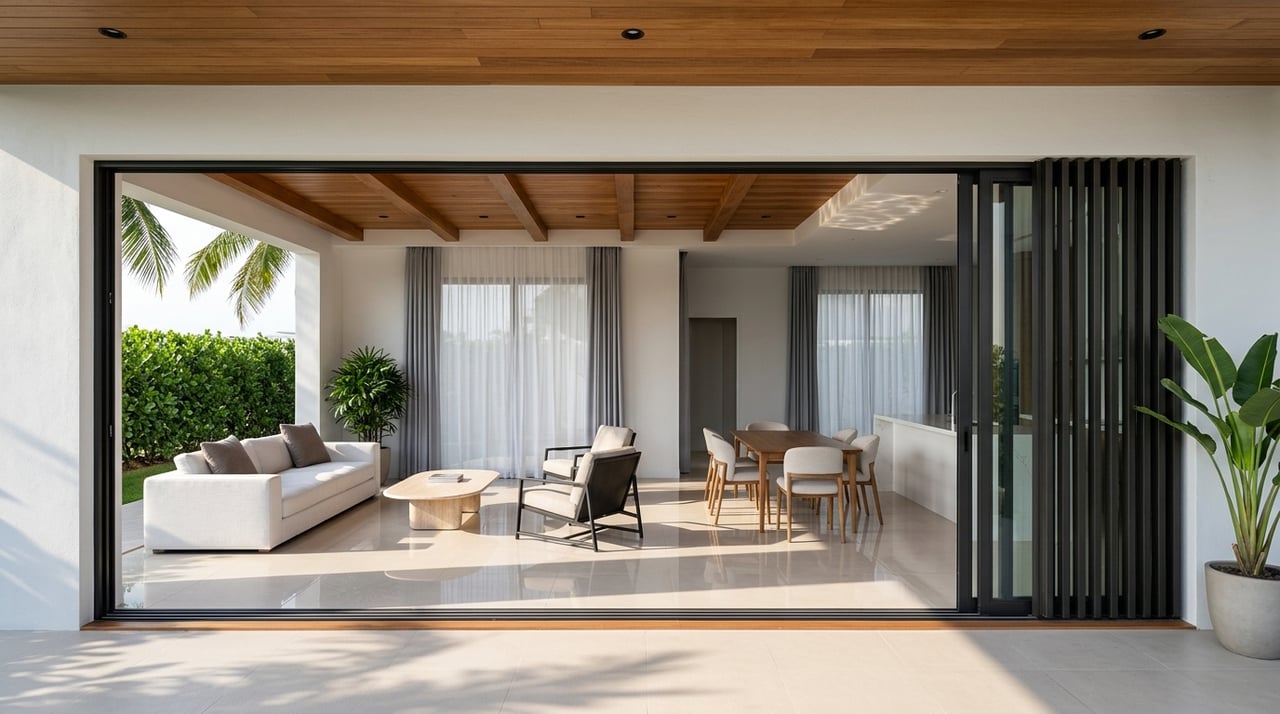
Timing The Market In Casa de Campo®
June 11, 2026
June 11, 2026
Are you trying to figure out whether there is a “right” time to buy or sell in Casa de Campo®? In a resort market like this one, timing is often less about a traditional housing cycle and more about when travelers, seasonal owners, and event-driven visitors are actively arriving in La Romana. If you understand how tourism flow, airport traffic, and the resort calendar shape attention on the ground, you can make more informed decisions about when to list, tour, or negotiate. Let’s dive in.
Casa de Campo sits inside a luxury resort environment, so market timing does not always follow the same rhythm you might expect in a primary residential city. The available data suggest that tourism volume, hotel occupancy, and the resort’s event calendar are often better guides than a purely local housing pattern.
That makes sense in La Romana. La Romana International Airport operates year-round, 24/7, and is closely tied to Casa de Campo Resort & Villas, the marina, and the cruise port. Its ability to serve commercial, private, and charter aviation helps expand the buyer pool beyond only local or full-time residents.
Official tourism data also show how leisure-driven the broader Dominican market is. In the 2024 national tourism yearbook, 77.5% of air arrivals were for recreation, with the United States and Canada among the largest non-resident source markets. In practical terms, that means buyer attention in Casa de Campo often rises when holiday travel, school breaks, and destination events are already bringing people to the region.
The strongest clue about timing comes from demand markers in La Romana and the broader tourism market. In 2024, La Romana-Bayahibe recorded average hotel occupancy of 80.0%, above the national average of 76.4%.
National monthly occupancy was highest in February at 86.8%. January reached 82.4%, March 83.8%, and December 79.7%, which helps confirm a strong winter pattern.
Airport traffic tells a similar story. La Romana International Airport handled 84,693 international entries in 2024, with the busiest months in December, March, January, and February. Together, January, February, March, and December accounted for about 51.8% of the year’s arrivals at the airport.
That concentration matters if you are watching buyer activity in Casa de Campo. When more visitors are arriving in the area, the odds increase that more qualified prospects are touring properties, attending events, or making on-site decisions while already in destination mode.
If you are thinking about visibility, winter stands out. January, February, March, and December were the strongest months for airport arrivals, and national occupancy data also peaked during that same stretch.
For sellers, this often means a larger audience is physically present in the market. For buyers, it can mean more energy, more activity, and in some cases more competition for the right property.
December was the single busiest month for La Romana airport arrivals in 2024, with 14,189 international entries. That makes it an especially important month for anyone watching seasonal buyer momentum.
Holiday travel, family gatherings, and year-end trips can put more potential buyers inside the resort at the same time. In a luxury market, that kind of concentration can translate into more showings and more immediate interest.
Timing here is not only about broad travel patterns. Casa de Campo’s published calendar shows a clear stream of sports, golf, culinary, and lifestyle events that can create short bursts of visitor traffic.
Current listings include the International Tennis Tournament, Cigars in Paradise, the Latin American Pro Am, the Food & Wine Festival, the Couples Golf & Spa Retreat, the Ladies Golf Cup, and the Twosome Championship. The golf calendar also continues into January through March 2027, which reinforces a recurring winter demand cycle.
For a resort market, this is important. Many prospects are already on the island for leisure, and an event weekend can increase the number of people who decide to tour villas, revisit a neighborhood within the resort, or move from casual interest to serious inquiry.
Not every event leads to a transaction, but events can compress attention. A buyer who is already staying nearby may decide to schedule multiple viewings in a short period, especially if they are comparing lifestyle options while in market.
For sellers, this means preparation matters. If your property is going to be introduced during a high-interest period, presentation, pricing, and access should already be in place before the event-driven traffic arrives.
If your goal is to maximize exposure, the practical takeaway from the data is simple: prepare before the high season, not after it. The most favorable window is often when arrivals, hotel occupancy, and resort activity are already rising.
That does not mean every property should launch on the same date. It means sellers usually benefit from entering the market when more potential buyers are already in La Romana and more attention is flowing through Casa de Campo.
For sellers working on a 12 to 24 month horizon, this approach can help:
In a luxury setting, timing also includes discretion. The right launch may involve broad exposure, a curated release, or a more private introduction depending on the property and seller’s goals.
If you are a buyer, the quieter months may offer a different advantage. In 2024, September and October were the lightest months for La Romana airport arrivals, suggesting fewer people on the ground than during the winter peak.
That softer shoulder season may create a calmer environment for touring and comparing options. It may also give you more space to evaluate properties carefully without the same level of seasonal traffic found in December through March.
No month guarantees a better deal on a specific villa. Still, when airport volumes are lower and the event calendar is lighter, you may face fewer competing prospects during your search.
For buyers who value a measured process, that can be useful. You may have more flexibility to schedule visits, revisit properties, and negotiate thoughtfully instead of reacting to peak-season urgency.
One reason Casa de Campo remains active beyond a narrow vacation season is access. La Romana International Airport supports commercial, charter, and private aviation and currently lists a mix of associated airlines serving international travelers.
That breadth matters in a luxury submarket. It supports cross-border access for second-home buyers, global owners, and seasonal visitors who may arrive on different schedules than the traditional leisure traveler.
The Dominican Republic’s broader tourism backdrop also remains strong. The country closed 2025 with a record 11,676,901 visitors, including 1,392,649 in December.
That national strength does not erase local seasonality in Casa de Campo. It does, however, help explain why this remains a tourism-sensitive luxury market with recurring waves of attention tied to travel flow.
Timing can improve your odds of being in the market when attention is strongest or competition is lighter. It can help sellers align with high-traffic periods and help buyers focus on quieter windows.
What timing cannot do is guarantee price direction or transaction outcome for any one property. Each villa is its own market in many ways, shaped by location within the resort, design, condition, amenities, privacy, and how it is presented.
That is why timing works best as one part of a larger strategy. In Casa de Campo, the most informed decisions usually come from pairing seasonal insight with property-specific guidance, careful positioning, and experienced local execution.
If you are considering a purchase or disposition in Casa de Campo, a tailored market approach matters more than trying to guess a single perfect moment. For discreet guidance, curated access, and senior-led advice, connect with Christie's International Real Estate Dominican Republic.
Stay up to date on the latest real estate trends.
We pride ourselves in providing personalized solutions that bring our clients closer to their dream properties and enhance their long-term wealth.
Your Dominican Republic Connection
Contact Us
Centro Corporativo Capital Segundo Piso
Calle Altagracia La Romana Dominican Republic 22000